

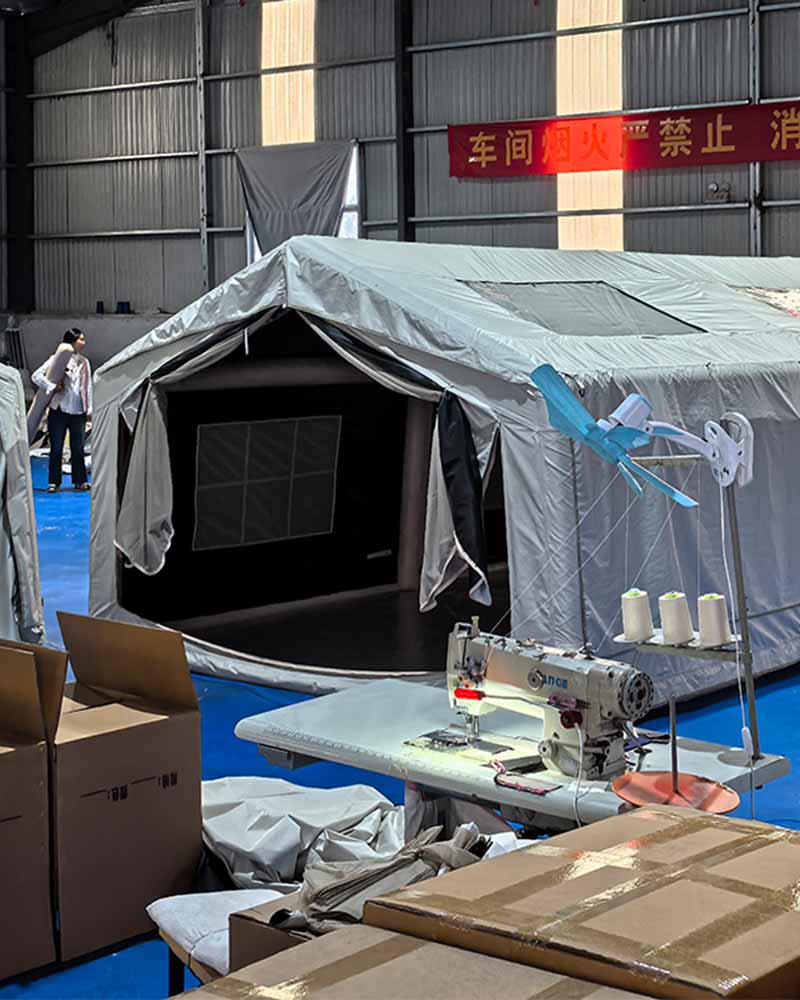
Trade show tent branding should be planned from the aisle inward. Visitors first need to recognize the business, then understand what is on display and where to enter. A large logo can still be ineffective when it sits above a hidden sidewall, crosses a seam or faces away from the main approach.
Table of Contents
Give each visible surface one job
Use a simple elevation sketch showing the front, rear and both sides of the tent. Mark the primary visitor approach and any neighboring booths. Put identification where it remains visible above people and counters; reserve more detailed information for surfaces visitors can approach and read comfortably.
Do not repeat a complete sales message on every panel. A roof edge might carry the brand name, a back wall might identify the product category and a freestanding display might explain one product. The event tent branding ideas article develops those choices beyond the pre-print checks here.

Design on the actual panel template
Obtain the correct print template for the tent model and wall configuration. Confirm finished size, bleed, safe areas, seam positions, openings and attachment zones. Keep critical lettering and logos away from folds, zippers and edges where they could be interrupted or concealed after assembly.
Label each panel by installed position and viewing side. If a wall is printed on both sides, confirm the intended appearance from inside and outside rather than assuming the second face will read correctly. Include any removable door section in the artwork layout so removing it does not remove essential information.
Check legibility at the intended distance
Print or display a scale-correct portion of the design and judge it from the expected viewing distance. Use clear letterforms and enough contrast to separate the message from the background. Complex imagery behind small text makes the reader work harder, especially under uneven lighting.
The U.S. Access Board’s sign guidance explains the value of light-dark contrast and non-glare finishes for legibility. Those are useful design principles here, not a claim that a tent graphic meets every applicable accessibility requirement. Check the venue’s requirements for directional and safety signs separately.

Make the artwork handoff explicit
Send the final logo artwork and confirm the printer’s file, font and color requirements. Identify which version is approved and remove obsolete alternatives from the handoff. A screen preview is not reliable evidence of the final appearance on fabric; request a proof appropriate to the printing method, especially where brand colors matter.
Test any QR code at its intended printed size and distance, and include a short readable address where useful. Verify the destination, mobile layout and connection needs before approval. Avoid placing the code on a roof slope or folding edge where a visitor cannot hold a phone square to it.
Walk the finished booth before shipping it
Review the graphics with the counter, products, lighting and staff positions in place. Check the view from each approach and from seated height. A panel may be beautifully printed yet largely hidden behind stacked stock. The exhibition layout guide helps align the printed surfaces with the occupied booth.
Keep entrances, circulation routes and safety signs clear. HSE crowd-safety guidance emphasizes safe entry, movement and exit. Pack panels in labeled groups and retain the approved installation diagram so the on-site team does not have to reconstruct the design from memory.
FAQ
Where should the main logo go?
On a surface visible from the principal approach after people, displays and counters are in place. The roof edge is useful only if it is actually in the sight line.
Should every wall carry a QR code?
Usually one or a few accessible positions are more useful. Test the code where visitors can comfortably stop without blocking the aisle.
What should a final artwork approval include?
Panel positions, viewing sides, version identifiers, readable text, working links and the agreed treatment of seams and openings.