

Table of Contents
Abrasion resistance matters where fabric repeatedly contacts a surface or another component. A general durability label does not identify those locations or establish the finished tent's performance. Buyers should connect material evidence with the actual construction and handling route.
This guide approaches tent fabric abrasion resistance as a practical buying decision. It explains what to identify, how to compare the available routes and which questions to resolve before placing an order. The selected tent fabric abrasion resistance configuration and its supporting evidence matter more than a broad product label.
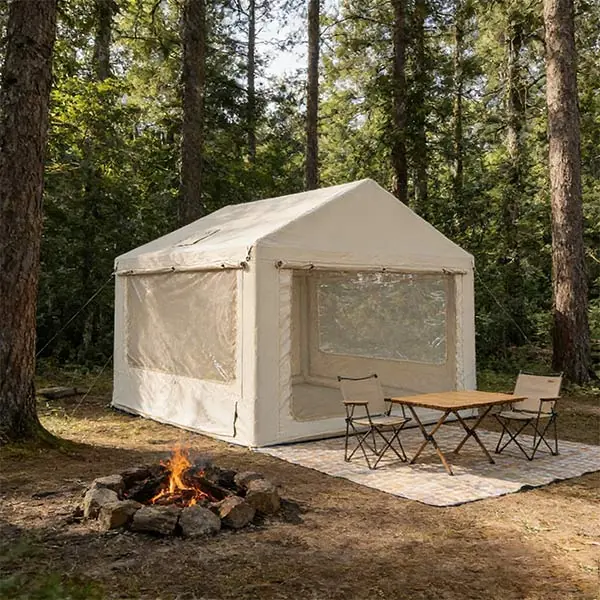
Tent Fabric Abrasion Resistance: start with the exact question
Map the likely wear locations before requesting a test result. Ground-contact areas, bag interfaces, folds near rigid fittings and moving attachment points may experience different contact. Identify which fabric and reinforcement are used at each location. A result for one textile does not describe every panel in a tent.
For tent fabric abrasion resistance, identify the fabric construction and the test evidence before comparing abrasion claims. Record the specimen, method and acceptance criterion rather than comparing numbers from unrelated procedures. The face fabric, coating and any reinforcement have separate roles. A material report should correspond to the construction being ordered, and a later coating or yarn change should trigger a review of the evidence.
Specification checks for tent fabric abrasion resistance
Request the test method, specimen description and reported outcome for the relevant material. Different methods and endpoints should not be compared as if they were one scale. Ask whether the specimen includes its coating or laminated construction. Do not convert a test-cycle figure into an unsupported number of camping trips or years.
A usable tent fabric abrasion resistance specification distinguishes the ordered requirement, the supplier’s response and the evidence used to assess that response. Record whether each item is confirmed, requires clarification or requires a revised sample. Do not replace an unanswered field with an assumption from a similar model. When a requirement changes, update its revision and explain which earlier observations need checking again.
- Specific wear location
- Material at that location
- Test method and endpoint
- Coating and specimen identity
- Finished-product contact route
- Effect of design revisions
Compare tent fabric abrasion resistance approaches
The following comparison is a decision framework for tent fabric abrasion resistance. It does not assign an unverified performance score or a universal winner. Compare the approaches against the same use case, include the complete scope and ask for evidence where the difference could affect your decision.
| Decision area | Existing fabric with improved interface protection | Supplier-approved material or reinforcement revision |
|---|---|---|
| Tent Fabric Abrasion Resistance: Problem addressed: specific wear location | Reduce the identified contact using approved protection. | Change the approved material or reinforcement at the relevant area. |
| Tent Fabric Abrasion Resistance: Evidence review: material at that location | Retain material evidence and assess the changed interface. | Reconfirm evidence for the revised construction. |
| Tent Fabric Abrasion Resistance: Packing: test method and endpoint | Update placement or protection instructions. | Check folding and contact after the material change. |
| Ownership: coating and specimen identity | Establish care, parts and support for the chosen route. | Document any changed fitting or service responsibility. |
| Commercial terms: finished-product contact route | Compare the included product and services. | Separate development, sample, packing and delivery scope. |
| Release decision: effect of design revisions | Accept only when the essential open items are resolved. | Retain the approved revision and communicate it to all parties. |
Evaluate tent fabric abrasion resistance on a representative sample
Inspect the assembled sample for avoidable rubbing. Correct packing, smooth component interfaces and the intended tension can influence contact. Follow the manufacturer's setup and care instructions rather than assuming that a stronger fabric eliminates the need for protection. Record observed wear after an approved trial and ask the supplier to assess its significance.
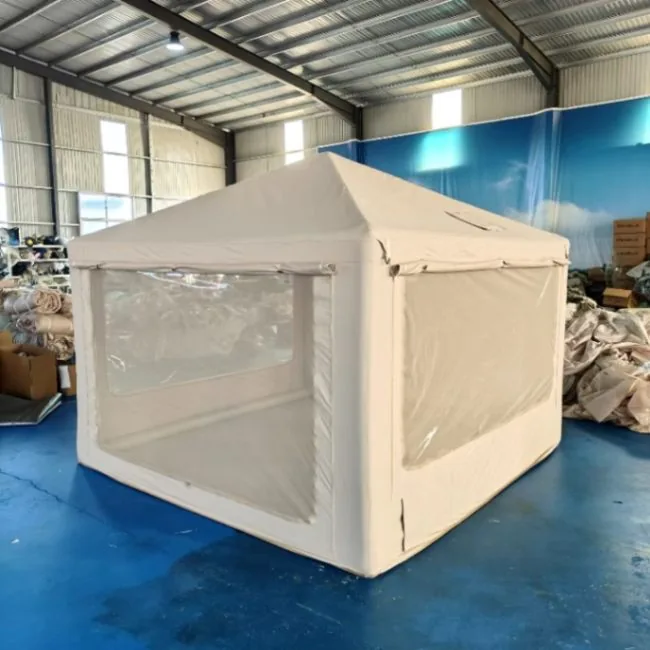
For a meaningful tent fabric abrasion resistance assessment, use a controlled tent fabric abrasion resistance sample record. Note the model, revision, received condition, supplied instructions and any accessories included in the trial. Photograph the starting configuration and keep observations tied to it. This makes it possible to distinguish an actual product difference from a changed setup, missing part or different measurement condition.
Agree how test method and endpoint and coating and specimen identity will be checked before the trial begins. Use the manufacturer’s permitted procedure and an appropriate measurement or review method. Where a quantitative claim needs formal testing, ask for competent testing support and relevant documentation. A short informal demonstration can answer a practical fit question, but it should not be presented as proof of every advertised property.
For tent fabric abrasion resistance, map rubbing points on the assembled tent. Contact with a bag, rigid accessory or neighboring component can create a different issue from the fabric's general laboratory result. Review packing, handling and approved ground protection with the manufacturer. If localized reinforcement is proposed, check how it affects folding, seams and the surrounding assembly. Do not assume a heavier fabric solves every wear issue. Keep the material selection and interface design connected so the remedy addresses the observed contact rather than only changing a headline specification.
A practical tent fabric abrasion resistance example
A tent develops marks where a packed rigid accessory presses against the same panel. Ordering a heavier outer fabric may add mass without resolving the contact. Reviewing the packing layout and the local interface gives the buyer a more focused question for the manufacturer.
This illustrative tent fabric abrasion resistance scenario shows a purchasing decision; it is not a reported customer result. Adapt the checks to your own application and the selected model.
Keep tent fabric abrasion resistance documentation consistent
Use the findings to improve the purchasing specification. A local reinforcement may be more relevant than changing every panel to a heavier material, but the supplier must confirm the design. Recheck packing, mass and serviceability when construction changes. Keep verified material results separate from observations and any remaining questions.
Pianran lists 7P Oxford Cloth Inflatable Canopy Tent in its outdoor product range. Use that page to identify a relevant starting model, then request the current specification for your tent fabric abrasion resistance inquiry. The product name and photograph do not replace confirmation of dimensions, materials, included parts or claim-specific evidence. You can also review the inflatable tent range to compare alternative configurations.
Keep the air frame, weather shell, floor and accessories as separate specification areas. A fabric result does not describe every seam or opening, and a successful inflation demonstration does not establish performance in all weather. Obtain the exact model instructions for pressure, pitching, anchoring and care. Changes to the pump, valve, beam or fabric should trigger a review of compatibility and any associated claims.
Plan tent fabric abrasion resistance service and packing
For retail kits, explain what the customer receives and what remains optional. For commercial operations, identify parts, inspection records and the route for withdrawing damaged equipment. Neither a person-count label nor an empty interior photograph establishes fit for a particular bedding arrangement. Use dimensions and a realistic layout when discussing capacity.
Include finished-product contact route and effect of design revisions in the ownership discussion for tent fabric abrasion resistance. Confirm who supplies missing information, who authorizes a remedy and how the finished item is checked on receipt. Keep a component or document inventory where the kit contains separate parts. A correctly supplied main product can still be inconvenient to use if essential fittings, instructions or support details are absent.
Consider total scope when reviewing tent fabric abrasion resistance costs. A product figure, replacement-part price or sample charge may exclude packing, transport, fitting or verification. Ask the supplier to identify exclusions and quote the same configuration. Leave unconfirmed amounts open until the route and terms are agreed. This prevents an incomplete low figure from being mistaken for a complete cost comparison.
Prepare a useful tent fabric abrasion resistance inquiry
A focused tent fabric abrasion resistance inquiry gives the supplier enough information to respond without guessing. Include the selected model or product link, intended application, target market, quantity by variant and your required timing. Attach useful photographs or a marked drawing. Identify the questions that are essential to approval and those that are optional preferences.
Use these specification fields in your tent fabric abrasion resistance brief: specific wear location; material at that location; test method and endpoint; coating and specimen identity; finished-product contact route; effect of design revisions. Ask for a written response against each field and request the applicable instructions, drawings or reports. Where the proposed configuration differs from the standard model, ask what needs a sample or a fresh approval before production can proceed.
Ready to discuss tent fabric abrasion resistance for your product range or project? Send Pianran the model, application, quantity and the key checks above. Request a current configuration, a representative sample where needed and a quotation with clear scope. Use the form below to begin the discussion.
Frequently asked questions
Can tent fabric abrasion resistance results from different methods be compared directly?
Confirm the methods, specimens and criteria first. Different procedures may describe different conditions. Ask for comparable evidence for the exact ordered construction instead of ranking unrelated figures as one scale.
Does higher tent fabric abrasion resistance eliminate packing damage?
Review the assembled interfaces and packing method too. Rigid parts, exposed edges and repeated contact require appropriate protection and instructions. A material-level result does not describe every source of wear in the complete kit.
What evidence is useful for a tent fabric abrasion resistance sample?
Record the model, revision, received condition and permitted review procedure. Include observations about test method and endpoint and coating and specimen identity. Keep practical sample findings separate from formal test evidence, and ask the supplier to resolve any difference before approving production.
How should I compare the total cost of tent fabric abrasion resistance?
Compare the same complete scope, including the product or part, sampling, packing, transport and any fitting or verification that applies. A tent fabric abrasion resistance quote should identify inclusions and exclusions. Do not fill missing prices with assumptions from a different model or shipment.
What should a repeat order for tent fabric abrasion resistance retain?
Keep the approved specification revision, relevant photographs, parts or document list and the agreed support route. Reconfirm finished-product contact route and effect of design revisions when the configuration changes. Ask the supplier to identify changes that require a revised sample or new evidence.