

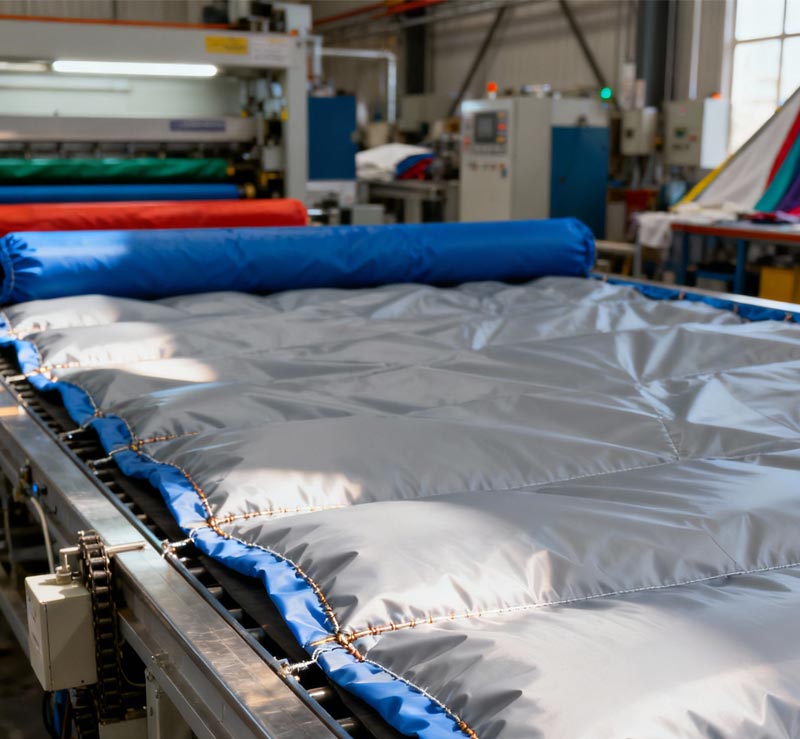
An outdoor product QC checklist should help an importer or distributor decide whether a defined lot is ready for release, needs corrective work, or must remain on hold. For bulk tents, furniture, and mats, agree observable checks, acceptance criteria, and decision authority before inspection. A completed inspection report is not automatically permission to ship.
Table of Contents
Identify the lot and the actual configuration
List the product code, revision, quantity, production lot, and included accessories. Separate variants when their components or functions differ. A chair with another locking mechanism is not simply a different color, and a tent with a revised air system needs its own functional reference.
Keep the drawing, component list, and user instructions consistent. Mark which version controls if a photograph conflicts with the written specification. For mixed tent orders, the model-by-model kit and receiving records help separate configurations before the finished-lot inspection.

Define defects by consequence
Write observable failure descriptions. ‘Leg lock releases during the specified operation’ is inspectable; ‘weak frame’ is not. Classify defects by their effect on safety, usability, and appearance, with photographs where they clarify the boundary.
Agree how potential safety hazards trigger containment and escalation. A sharp exposed edge and a slight nonfunctional shade difference should not share the same response. Do not let a statistical acceptance number override a safety concern or a mandatory requirement.
| Product | Concrete inspection target | Useful record |
|---|---|---|
| Air-beam tent | Valve function and pressure retention under the agreed procedure | Chamber identification, readings, conditions, elapsed time |
| Folding chair or table | Correct assembly and positive engagement of locks | Model, mechanism, operation and observed failure |
| Picnic mat | Bonded edges, backing continuity, strap attachment | Defect location and dimensions |
| Packaged kit | Correct compatible parts and matching instructions | Missing or incorrect part code, not just item count |
Set the sampling decision before inspection
Specify the lot definition, selection method, sample size, acceptance criteria, and treatment of rejected lots. Allow access across the packed lot so the inspection is not limited to units presented by production staff. Use an established plan appropriate to the product and risks.
The NIST explanation of lot acceptance sampling describes how sample findings lead to acceptance, rejection, or further sampling. Passing a sample does not mean every unit has been examined or that the lot contains no defects.
Separate routine checks from qualification tests
Opening a folding chair several times can reveal assembly faults, but it does not reproduce a mechanical safety test. A hose check on a tent cannot replace a defined laboratory method. State which routine checks are performed on the lot and which performance claims depend on separate reports.
For U.S. general-use products subject to applicable consumer product safety rules, the CPSC explains the testing and certification responsibilities of manufacturers and importers. Determine the relevant product rules; do not ask for an undefined ‘CPSC certificate’ for every outdoor item.

Make rejection and reinspection traceable
Record the defect, affected quantity or selection, photographs, test conditions, and the decision owner. If the lot is reworked, identify what changed and how the corrected goods remain distinguishable from unchecked stock.
Require reinspection appropriate to the failure before release. For recurring faults, address the production cause rather than repeatedly sorting finished units. The outdoor gear development guide connects specification changes with the inspection evidence needed for the next run.
Close the outdoor product QC checklist with a decision
Record the lot reference, results, unresolved exceptions, corrective actions, and person authorized to decide. Preserve the original findings when rework succeeds. Separate the inspection outcome from release authorization so a forwarded report cannot be mistaken for approval to dispatch.
For a Pianran bulk order, share the product references, intended market, and inspection requirements to agree the information needed before a release decision.
- Requirements met: the designated decision owner records authorization for the identified lot after checking any remaining release conditions.
- Corrective work needed: keep affected goods on hold, identify the remedy, and define the appropriate reinspection before reconsidering release.
- Unresolved safety or conformity concern: segregate affected goods and escalate for qualified review; a delivery deadline is not a reason to waive the concern.
FAQ
Does an approved development sample replace final inspection?
No. It establishes a reference configuration, while final inspection checks the goods actually produced against agreed requirements.
Should every product use the same sampling plan?
Not automatically. Product risks, lot structure, test type, and the applicable acceptance standard influence the plan.
Can an inspector invent a load test on the day?
No. Loads, fixtures, duration, and acceptance conditions should come from an agreed procedure or applicable standard, not an improvised stress test.