

Table of Contents
A replacement canopy roof must match the frame geometry and attachment system. Matching only a nominal footprint can leave the peak unsupported, corners under excess tension or fasteners in the wrong places. Build the replacement order from a measured frame and an identified roof pattern.
This guide approaches canopy tent replacement top as a practical buying decision. It explains what to identify, how to compare the available routes and which questions to resolve before placing an order. The selected canopy tent replacement top configuration and its supporting evidence matter more than a broad product label.
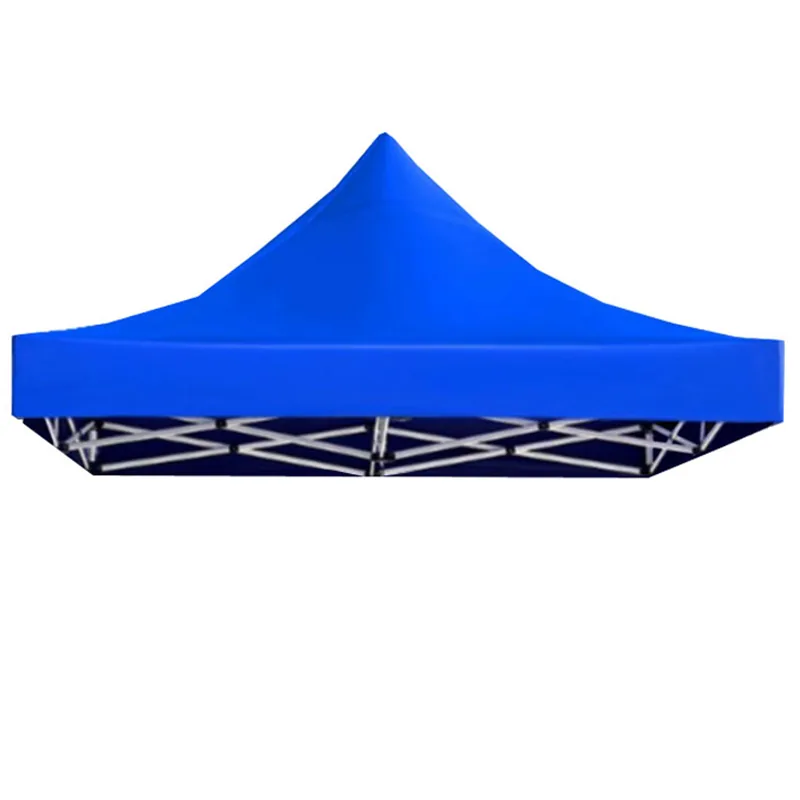
Canopy Tent Replacement Top: start with the exact question
Record the frame maker, model and revision if available. Measure the outer span, corner position, peak height and the roof-support arrangement using the supplier's specified method. A roof advertised for the same footprint may use a different slope or corner pocket. Include photographs showing the frame fully opened and the underside of the existing cover so the supplier can identify interfaces that dimensions alone miss.
For canopy tent replacement top, build a roof identification record while the existing cover is still recognizable. Include views of every corner, the peak area, valance and underside straps. Mark the orientation of the front graphic and any sidewall attachment. When several tents share a brand color, assign a frame identifier rather than treating the color as a model reference. This helps an event crew put the correct roof back into the correct bag after a show.
Specification checks for canopy tent replacement top
Document the attachment points individually. Corner pockets, hook-and-loop straps, peak reinforcements and valance fasteners have distinct jobs. Note which are fixed to the roof and which belong to the frame. If the old cover has stretched or torn, do not copy its damaged dimensions as the new manufacturing pattern. Request confirmation against the intended frame rather than asking for an approximate universal replacement.
A usable canopy tent replacement top specification distinguishes the ordered requirement, the supplier’s response and the evidence used to assess that response. Record whether each item is confirmed, requires clarification or requires a revised sample. Do not replace an unanswered field with an assumption from a similar model. When a requirement changes, update its revision and explain which earlier observations need checking again.
- Frame model and revision
- Span and roof geometry
- Corner pocket dimensions
- Peak reinforcement position
- Strap and valance layout
- Sidewall and artwork compatibility
Compare canopy tent replacement top approaches
The following comparison is a decision framework for canopy tent replacement top. It does not assign an unverified performance score or a universal winner. Compare the approaches against the same use case, include the complete scope and ask for evidence where the difference could affect your decision.
| Decision area | Model-matched replacement roof | New matched frame-and-roof set |
|---|---|---|
| Canopy Tent Replacement Top: Frame interface: frame model and revision | Retains a known frame if compatibility is confirmed. | Establishes a newly matched roof and frame combination. |
| Canopy Tent Replacement Top: Graphics: span and roof geometry | May need to coordinate with existing aged panels. | Allows a fresh coordinated set of graphics. |
| Canopy Tent Replacement Top: Fleet labeling: corner pocket dimensions | Keep roof patterns associated with existing frame IDs. | Introduce a new complete model record for the set. |
| Ownership: peak reinforcement position | Establish care, parts and support for the chosen route. | Document any changed fitting or service responsibility. |
| Commercial terms: strap and valance layout | Compare the included product and services. | Separate development, sample, packing and delivery scope. |
| Release decision: sidewall and artwork compatibility | Accept only when the essential open items are resolved. | Retain the approved revision and communicate it to all parties. |
Evaluate canopy tent replacement top on a representative sample
Choose roof fabric and printing as part of the replacement specification. Color, coating and graphic placement can change the appearance of a mixed fleet. Ask whether a new top can match the existing sidewalls, and accept that aged fabric may no longer match a fresh production color. Obtain a print proof and a finished sample when brand consistency matters across several event locations.

For a meaningful canopy tent replacement top assessment, use a controlled canopy tent replacement top sample record. Note the model, revision, received condition, supplied instructions and any accessories included in the trial. Photograph the starting configuration and keep observations tied to it. This makes it possible to distinguish an actual product difference from a changed setup, missing part or different measurement condition.
Agree how corner pocket dimensions and peak reinforcement position will be checked before the trial begins. Use the manufacturer’s permitted procedure and an appropriate measurement or review method. Where a quantitative claim needs formal testing, ask for competent testing support and relevant documentation. A short informal demonstration can answer a practical fit question, but it should not be presented as proof of every advertised property.
For canopy tent replacement top, for a trial replacement, inspect the relationship between the cover and each structural interface before ordering the full fleet quantity. The roof should follow the intended pattern without using excessive force to reach a corner. Ask the supplier how to recognize correct tension and installation. Check whether the valance leaves the sidewall fasteners accessible and whether the selected graphics appear in the intended positions. Keep the accepted roof pattern and artwork revision together. A future reorder can then distinguish a fabric color update from an actual change in the cutting pattern.
A practical canopy tent replacement top example
An event company has several visually similar blue canopies. One frame has a different peak support even though the footprint labels match. Ordering by color and footprint would mix incompatible covers. Labeling each frame and submitting underside photographs allows the company to test one replacement on each configuration before ordering fleet quantities.
This illustrative canopy tent replacement top scenario shows a purchasing decision; it is not a reported customer result. Adapt the checks to your own application and the selected model.
Keep canopy tent replacement top documentation consistent
Fit the trial cover without forcing corners or modifying the frame. Follow the frame and cover instructions for installation and anchoring. Inspect whether the cover sits as intended through the approved opening and closing sequence, and record any areas that pull or rub. Stop if the replacement changes the way the locking system works. A low-cost cover becomes expensive when fitting requires improvised alterations.
Pianran lists Pop Up Canopy Top Cover Series in its outdoor product range. Use that page to identify a relevant starting model, then request the current specification for your canopy tent replacement top inquiry. The product name and photograph do not replace confirmation of dimensions, materials, included parts or claim-specific evidence. You can also review the exhibition tent range to compare alternative configurations.
Treat the frame, roof, sidewalls, fasteners and transport kit as a defined combination. Nominal footprint alone does not establish roof or panel compatibility. Follow the supplier's model-specific instructions for setup, anchoring and use conditions. Do not infer a wind rating from tube dimensions or assume that adding panels preserves the original operating conditions. Resolve missing evidence before presenting a quantitative safety claim.
Plan canopy tent replacement top service and packing
For branded projects, control panel positions, artwork versions and physical color approval. An attractive digital proof does not verify the finished substrate or assembled booth. Event crews also need a parts list, packing record and clear responsibility for handover. Match the product documentation to the exact configuration that will arrive at the venue.
Include strap and valance layout and sidewall and artwork compatibility in the ownership discussion for canopy tent replacement top. Confirm who supplies missing information, who authorizes a remedy and how the finished item is checked on receipt. Keep a component or document inventory where the kit contains separate parts. A correctly supplied main product can still be inconvenient to use if essential fittings, instructions or support details are absent.
Consider total scope when reviewing canopy tent replacement top costs. A product figure, replacement-part price or sample charge may exclude packing, transport, fitting or verification. Ask the supplier to identify exclusions and quote the same configuration. Leave unconfirmed amounts open until the route and terms are agreed. This prevents an incomplete low figure from being mistaken for a complete cost comparison.
Prepare a useful canopy tent replacement top inquiry
A focused canopy tent replacement top inquiry gives the supplier enough information to respond without guessing. Include the selected model or product link, intended application, target market, quantity by variant and your required timing. Attach useful photographs or a marked drawing. Identify the questions that are essential to approval and those that are optional preferences.
Use these specification fields in your canopy tent replacement top brief: frame model and revision; span and roof geometry; corner pocket dimensions; peak reinforcement position; strap and valance layout; sidewall and artwork compatibility. Ask for a written response against each field and request the applicable instructions, drawings or reports. Where the proposed configuration differs from the standard model, ask what needs a sample or a fresh approval before production can proceed.
Ready to discuss canopy tent replacement top for your product range or project? Send Pianran the model, application, quantity and the key checks above. Request a current configuration, a representative sample where needed and a quotation with clear scope. Use the form below to begin the discussion.
Frequently asked questions
Can a canopy tent replacement top be ordered from the footprint alone?
The footprint is insufficient to confirm compatibility. Identify the frame, roof slope, peak arrangement, corner pockets and fastener positions. Have the supplier confirm the intended combination and test a representative cover before a fleet order.
Will a canopy tent replacement top match older sidewall colors?
Fresh fabric and aged panels may appear different. Supply an actual reference where color matters and agree the acceptable match on the intended substrate. A screen image or generic color name does not settle the finished appearance.
What evidence is useful for a canopy tent replacement top sample?
Record the model, revision, received condition and permitted review procedure. Include observations about corner pocket dimensions and peak reinforcement position. Keep practical sample findings separate from formal test evidence, and ask the supplier to resolve any difference before approving production.
How should I compare the total cost of canopy tent replacement top?
Compare the same complete scope, including the product or part, sampling, packing, transport and any fitting or verification that applies. A canopy tent replacement top quote should identify inclusions and exclusions. Do not fill missing prices with assumptions from a different model or shipment.
What should a repeat order for canopy tent replacement top retain?
Keep the approved specification revision, relevant photographs, parts or document list and the agreed support route. Reconfirm strap and valance layout and sidewall and artwork compatibility when the configuration changes. Ask the supplier to identify changes that require a revised sample or new evidence.