

Table of Contents
Tube thickness is one attribute of a canopy frame. It cannot establish load capacity, wind performance or service life by itself. Procurement teams should connect the number to the tube profile, alloy or steel specification, joints, geometry and model-specific evidence.
This guide approaches canopy frame tube thickness as a practical buying decision. It explains what to identify, how to compare the available routes and which questions to resolve before placing an order. The selected canopy frame tube thickness configuration and its supporting evidence matter more than a broad product label.
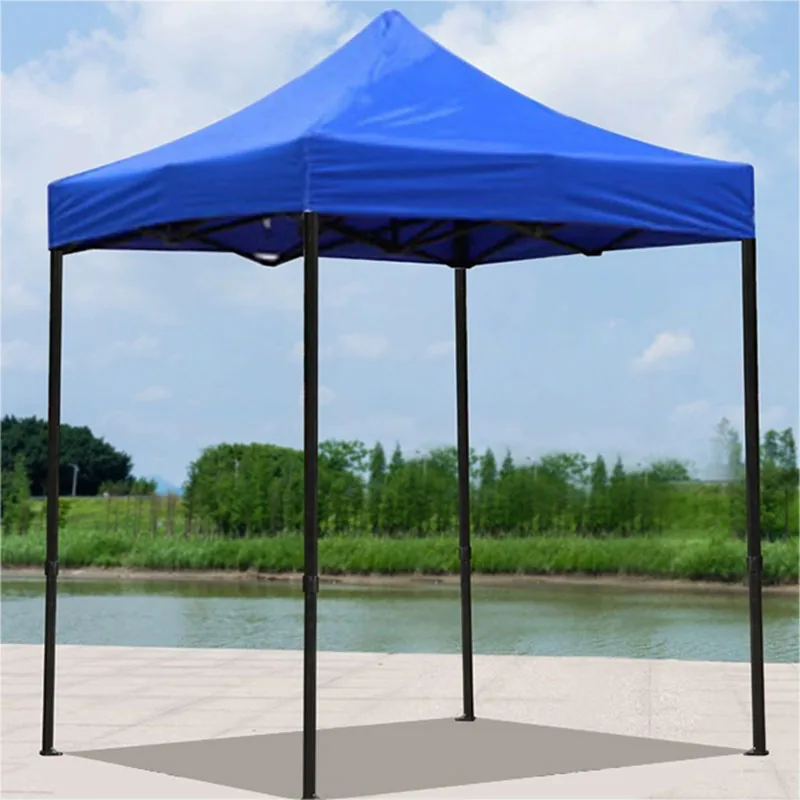
Canopy Frame Tube Thickness: start with the exact question
Ask which tube the quoted figure describes. Legs, roof members and scissor links may use different sections. Record the cross-sectional shape, external dimensions and measurement location beside the wall thickness. A single number in a brochure may refer to only one component. Request a drawing that identifies the members instead of applying the largest figure to the entire frame.
For canopy frame tube thickness, clarify whether a dimension describes the tube's outside size or its wall. A square profile, a round profile and a telescoping member need their own measurement references. Ask which part of the frame each figure describes; legs, scissor members and roof supports should not be blended into one headline. Record the material description, joint design and revision beside the dimensions so a comparison does not reduce a complete frame to one number.
Specification checks for canopy frame tube thickness
Compare material and manufacturing details with the tube dimensions. A thicker tube made from a different material is not automatically a direct performance equivalent. Hinges, fasteners and connection plates also influence how the frame behaves. Inspect the complete assembly and ask for evidence supporting the model's intended use rather than converting tube thickness into an invented strength rating.
A usable canopy frame tube thickness specification distinguishes the ordered requirement, the supplier’s response and the evidence used to assess that response. Record whether each item is confirmed, requires clarification or requires a revised sample. Do not replace an unanswered field with an assumption from a similar model. When a requirement changes, update its revision and explain which earlier observations need checking again.
- Member identified on drawing
- External section dimensions
- Underlying metal specification
- Wall-thickness measurement method
- Joint and fastener construction
- Complete model evidence
Compare canopy frame tube thickness approaches
The following comparison is a decision framework for canopy frame tube thickness. It does not assign an unverified performance score or a universal winner. Compare the approaches against the same use case, include the complete scope and ask for evidence where the difference could affect your decision.
| Decision area | Lighter transport-focused frame | Heavier repeat-use frame |
|---|---|---|
| Canopy Frame Tube Thickness: Dimensional record: member identified on drawing | Identify the exact lighter frame profile and members. | Identify the exact heavier profile and members. |
| Canopy Frame Tube Thickness: Fleet handling: external section dimensions | Assess carrying and setup with the complete kit. | Assess transport and repeated handling requirements. |
| Canopy Frame Tube Thickness: Evidence: underlying metal specification | Request assembly-specific operating documentation. | Request evidence without inferring performance from mass. |
| Ownership: wall-thickness measurement method | Establish care, parts and support for the chosen route. | Document any changed fitting or service responsibility. |
| Commercial terms: joint and fastener construction | Compare the included product and services. | Separate development, sample, packing and delivery scope. |
| Release decision: complete model evidence | Accept only when the essential open items are resolved. | Retain the approved revision and communicate it to all parties. |
Evaluate canopy frame tube thickness on a representative sample
Check measurement access before arranging inspection. A coating contributes to the overall section but is not the same as the underlying metal wall. Agree a suitable measurement method with the supplier and inspector. Avoid destructive checks on saleable goods unless the sampling plan specifically permits them. Keep measured results tied to the component and production batch.
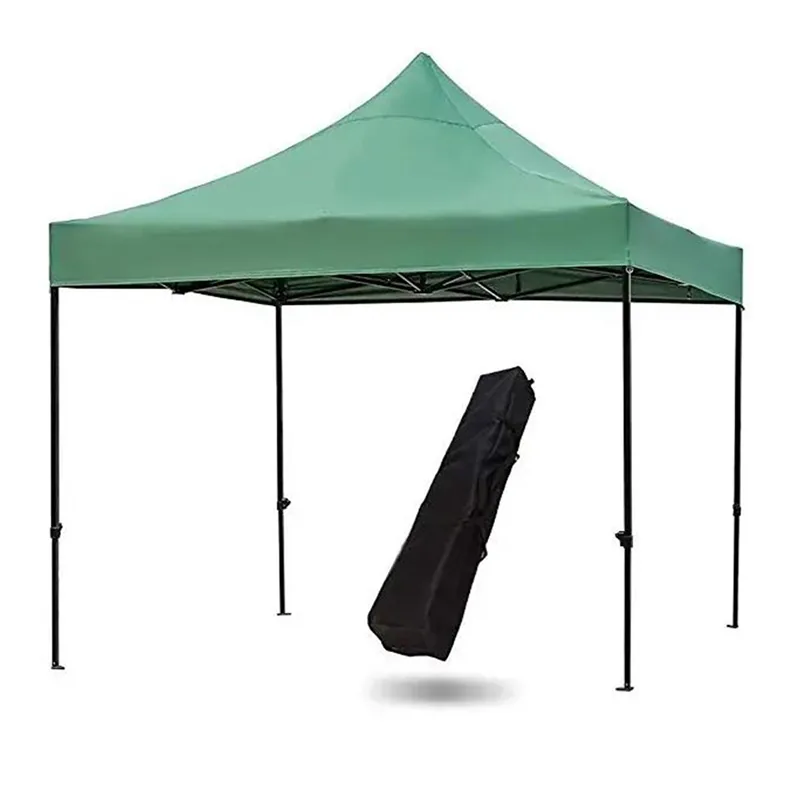
For a meaningful canopy frame tube thickness assessment, use a controlled canopy frame tube thickness sample record. Note the model, revision, received condition, supplied instructions and any accessories included in the trial. Photograph the starting configuration and keep observations tied to it. This makes it possible to distinguish an actual product difference from a changed setup, missing part or different measurement condition.
Agree how underlying metal specification and wall-thickness measurement method will be checked before the trial begins. Use the manufacturer’s permitted procedure and an appropriate measurement or review method. Where a quantitative claim needs formal testing, ask for competent testing support and relevant documentation. A short informal demonstration can answer a practical fit question, but it should not be presented as proof of every advertised property.
For canopy frame tube thickness, inspect the features that carry the setup routine. Sliding collars, locks, pivots and fasteners determine how the assembly opens and how users recognize correct engagement. A larger-looking leg does not resolve an unreliable joint or a poorly documented setup process. For a repeat-use event fleet, include handling, bagging and spare-parts identification in the review. Any weather or load claim needs appropriate evidence for the complete approved configuration. Do not create a wind rating by comparing tube dimensions or by increasing ballast beyond the product instructions.
A practical canopy frame tube thickness example
Two suppliers quote a similar pop-up canopy. One advertises a larger wall thickness but does not identify the component, while the other supplies a leg and roof-member drawing. Requesting comparable member-level data prevents the buyer from treating an isolated marketing number as a complete engineering comparison.
This illustrative canopy frame tube thickness scenario shows a purchasing decision; it is not a reported customer result. Adapt the checks to your own application and the selected model.
Keep canopy frame tube thickness documentation consistent
Consider handling and repair as part of the frame choice. Added material can change the kit mass and the effort needed to move it. A frame intended for frequent events also needs identifiable replacement joints and legs. Select the specification that meets the documented use case, then verify that future orders retain the same construction.
Pianran lists Hexagonal Pop-Up Tent Series in its outdoor product range. Use that page to identify a relevant starting model, then request the current specification for your canopy frame tube thickness inquiry. The product name and photograph do not replace confirmation of dimensions, materials, included parts or claim-specific evidence. You can also review the exhibition tent range to compare alternative configurations.
Treat the frame, roof, sidewalls, fasteners and transport kit as a defined combination. Nominal footprint alone does not establish roof or panel compatibility. Follow the supplier's model-specific instructions for setup, anchoring and use conditions. Do not infer a wind rating from tube dimensions or assume that adding panels preserves the original operating conditions. Resolve missing evidence before presenting a quantitative safety claim.
Plan canopy frame tube thickness service and packing
For branded projects, control panel positions, artwork versions and physical color approval. An attractive digital proof does not verify the finished substrate or assembled booth. Event crews also need a parts list, packing record and clear responsibility for handover. Match the product documentation to the exact configuration that will arrive at the venue.
Include joint and fastener construction and complete model evidence in the ownership discussion for canopy frame tube thickness. Confirm who supplies missing information, who authorizes a remedy and how the finished item is checked on receipt. Keep a component or document inventory where the kit contains separate parts. A correctly supplied main product can still be inconvenient to use if essential fittings, instructions or support details are absent.
Consider total scope when reviewing canopy frame tube thickness costs. A product figure, replacement-part price or sample charge may exclude packing, transport, fitting or verification. Ask the supplier to identify exclusions and quote the same configuration. Leave unconfirmed amounts open until the route and terms are agreed. This prevents an incomplete low figure from being mistaken for a complete cost comparison.
Prepare a useful canopy frame tube thickness inquiry
A focused canopy frame tube thickness inquiry gives the supplier enough information to respond without guessing. Include the selected model or product link, intended application, target market, quantity by variant and your required timing. Attach useful photographs or a marked drawing. Identify the questions that are essential to approval and those that are optional preferences.
Use these specification fields in your canopy frame tube thickness brief: member identified on drawing; external section dimensions; underlying metal specification; wall-thickness measurement method; joint and fastener construction; complete model evidence. Ask for a written response against each field and request the applicable instructions, drawings or reports. Where the proposed configuration differs from the standard model, ask what needs a sample or a fresh approval before production can proceed.
Ready to discuss canopy frame tube thickness for your product range or project? Send Pianran the model, application, quantity and the key checks above. Request a current configuration, a representative sample where needed and a quotation with clear scope. Use the form below to begin the discussion.
Frequently asked questions
Does canopy frame tube thickness establish a wind rating?
A tube dimension does not establish a rating for the assembled canopy. Obtain the manufacturer’s instructions and evidence for the exact frame, roof, panels and anchoring configuration. Keep dimensional comparisons separate from verified use limits.
How should canopy frame tube thickness be recorded?
Identify the member, profile, outside dimensions, wall measurement method and material description. Record the frame model and revision as well. This distinguishes a leg measurement from a roof or scissor-member measurement.
What evidence is useful for a canopy frame tube thickness sample?
Record the model, revision, received condition and permitted review procedure. Include observations about underlying metal specification and wall-thickness measurement method. Keep practical sample findings separate from formal test evidence, and ask the supplier to resolve any difference before approving production.
How should I compare the total cost of canopy frame tube thickness?
Compare the same complete scope, including the product or part, sampling, packing, transport and any fitting or verification that applies. A canopy frame tube thickness quote should identify inclusions and exclusions. Do not fill missing prices with assumptions from a different model or shipment.
What should a repeat order for canopy frame tube thickness retain?
Keep the approved specification revision, relevant photographs, parts or document list and the agreed support route. Reconfirm joint and fastener construction and complete model evidence when the configuration changes. Ask the supplier to identify changes that require a revised sample or new evidence.