

Table of Contents
Thickness is useful only when the construction and measurement method are known. A soft picnic layer, a moisture barrier and a sleeping support layer perform different functions. Buyers should define the intended use before turning a thickness figure into a comfort or insulation claim.
This guide approaches camping mat thickness as a practical buying decision. It explains what to identify, how to compare the available routes and which questions to resolve before placing an order. The selected camping mat thickness configuration and its supporting evidence matter more than a broad product label.
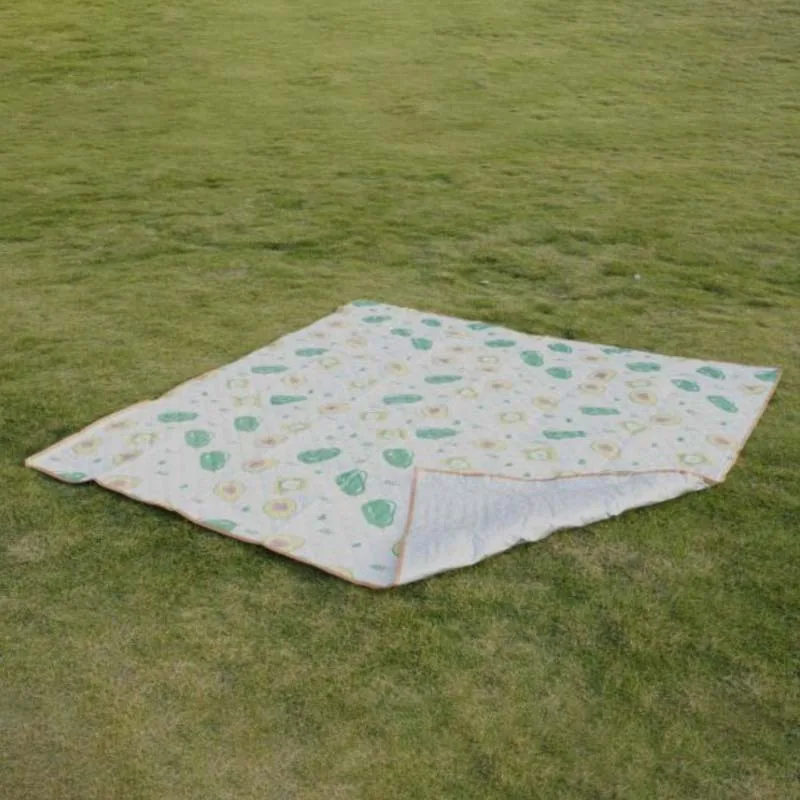
Camping Mat Thickness: start with the exact question
Identify every layer in the mat. A textile face, cushioning layer and ground-contact backing can contribute differently to the total. Request a section description or a sample edge that shows the construction. Measure thickness using a method agreed with the supplier and record whether pressure is applied. A loose measurement of a fluffy surface cannot be compared directly with a compressed foam measurement.
For camping mat thickness, ask how the thickness value was obtained. A soft layer can change under compression, and a raised texture can make a surface-to-surface measurement different from the underlying material thickness. Compare the same reference points and conditions. If the mat combines a face fabric, cushioning and backing, describe the construction as well as the overall figure. Buyers can then understand why two samples with similar numbers feel different on the same ground.
Specification checks for camping mat thickness
Evaluate comfort on the intended supporting surface. Smooth grass, hard ground and a tent floor present different conditions. Use the same surface when comparing samples and observe pressure points, movement and edge behavior. Do not treat thickness alone as proof of overnight sleeping comfort. The user's sleeping position and the mat's support behavior also matter, especially when a product is primarily designed as a picnic or ground mat.
A usable camping mat thickness specification distinguishes the ordered requirement, the supplier’s response and the evidence used to assess that response. Record whether each item is confirmed, requires clarification or requires a revised sample. Do not replace an unanswered field with an assumption from a similar model. When a requirement changes, update its revision and explain which earlier observations need checking again.
- Layer-by-layer construction
- Thickness measurement method
- Supporting surface for comparison
- Cushioning observations
- Separate thermal evidence
- Folded bundle and edge condition
Compare camping mat thickness approaches
The following comparison is a decision framework for camping mat thickness. It does not assign an unverified performance score or a universal winner. Compare the approaches against the same use case, include the complete scope and ask for evidence where the difference could affect your decision.
| Decision area | Thin compact ground mat | Thicker cushioned mat |
|---|---|---|
| Camping Mat Thickness: Ground feel: layer-by-layer construction | Assess how the selected surface feels through the mat. | Assess cushioning without assuming a thermal benefit. |
| Camping Mat Thickness: Packing: thickness measurement method | Check the actual fold and resulting bundle. | Check stiffness and bulk in the permitted fold. |
| Camping Mat Thickness: Specification: supporting surface for comparison | Identify the layer construction and measurement method. | Identify compression behavior and all included layers. |
| Ownership: cushioning observations | Establish care, parts and support for the chosen route. | Document any changed fitting or service responsibility. |
| Commercial terms: separate thermal evidence | Compare the included product and services. | Separate development, sample, packing and delivery scope. |
| Release decision: folded bundle and edge condition | Accept only when the essential open items are resolved. | Retain the approved revision and communicate it to all parties. |
Evaluate camping mat thickness on a representative sample
Separate cushioning from thermal performance. A thicker product is not automatically supported by a verified insulation rating. If your product listing needs a thermal claim, request model-specific test evidence and the conditions under which it was obtained. Keep dampness resistance, cushioning and insulation as separate specification lines. This makes it easier to explain the product accurately without overstating what its layers can do.
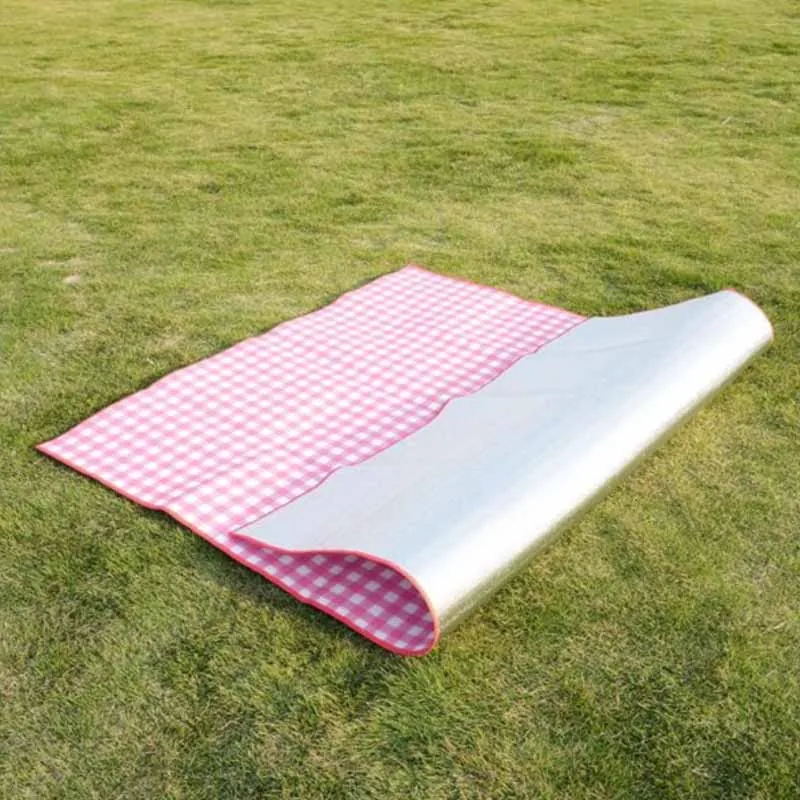
For a meaningful camping mat thickness assessment, use a controlled camping mat thickness sample record. Note the model, revision, received condition, supplied instructions and any accessories included in the trial. Photograph the starting configuration and keep observations tied to it. This makes it possible to distinguish an actual product difference from a changed setup, missing part or different measurement condition.
Agree how supporting surface for comparison and cushioning observations will be checked before the trial begins. Use the manufacturer’s permitted procedure and an appropriate measurement or review method. Where a quantitative claim needs formal testing, ask for competent testing support and relevant documentation. A short informal demonstration can answer a practical fit question, but it should not be presented as proof of every advertised property.
For camping mat thickness, separate comfort, packing and insulation questions during approval. A thicker construction may change folding behavior, but the packed result also depends on material stiffness and the chosen fold. Test the expected use on a consistent surface and inspect the mat after repeated permitted handling. If thermal performance is part of the sales claim, request the applicable model-specific evidence rather than deriving it from thickness. For a picnic mat, concentrate the product description on its documented ground-cover application and avoid silently promoting it as a sleeping pad with a verified thermal rating.
A practical camping mat thickness example
A camping brand compares a thin moisture-resistant mat with a thicker laminated picnic mat. The thicker sample feels softer on a showroom floor but folds into a much larger bundle. Separate checks for cushioning, damp-ground use and folded size allow the brand to position each product honestly rather than choosing solely by the largest thickness number.
This illustrative camping mat thickness scenario shows a purchasing decision; it is not a reported customer result. Adapt the checks to your own application and the selected model.
Keep camping mat thickness documentation consistent
Check how the additional thickness affects folding, straps and carton dimensions. A comfortable sample can become inconvenient if the folded bundle does not fit the supplied bag or retail shelf. Inspect the crease areas after repeated approved folding and look for separation between layers. Confirm that packaging protects the edges without compressing the product in a way that changes the customer's first-use experience.
Pianran lists Outdoor Sleeping Mat in its outdoor product range. Use that page to identify a relevant starting model, then request the current specification for your camping mat thickness inquiry. The product name and photograph do not replace confirmation of dimensions, materials, included parts or claim-specific evidence. You can also review the outdoor sleeping mat range to compare alternative configurations.
Describe the top face, cushioning, backing and edge construction separately. Damp-ground resistance, comfort and insulation are different properties and should not share one unsupported claim. Confirm the intended use and cleaning method for the complete mat. A change to a single layer or bonding process may require a fresh review of care instructions, folding behavior and performance evidence.
Plan camping mat thickness service and packing
Compare samples on the same supporting surface with a repeatable handling method. Keep the open dimensions, normally packed dimensions and shipping-carton dimensions separate. When a mat is primarily a picnic or ground product, do not automatically promote it as a thermally rated sleeping system. Obtain the exact model evidence needed for the claim you intend to publish.
Include separate thermal evidence and folded bundle and edge condition in the ownership discussion for camping mat thickness. Confirm who supplies missing information, who authorizes a remedy and how the finished item is checked on receipt. Keep a component or document inventory where the kit contains separate parts. A correctly supplied main product can still be inconvenient to use if essential fittings, instructions or support details are absent.
Consider total scope when reviewing camping mat thickness costs. A product figure, replacement-part price or sample charge may exclude packing, transport, fitting or verification. Ask the supplier to identify exclusions and quote the same configuration. Leave unconfirmed amounts open until the route and terms are agreed. This prevents an incomplete low figure from being mistaken for a complete cost comparison.
Prepare a useful camping mat thickness inquiry
A focused camping mat thickness inquiry gives the supplier enough information to respond without guessing. Include the selected model or product link, intended application, target market, quantity by variant and your required timing. Attach useful photographs or a marked drawing. Identify the questions that are essential to approval and those that are optional preferences.
Use these specification fields in your camping mat thickness brief: layer-by-layer construction; thickness measurement method; supporting surface for comparison; cushioning observations; separate thermal evidence; folded bundle and edge condition. Ask for a written response against each field and request the applicable instructions, drawings or reports. Where the proposed configuration differs from the standard model, ask what needs a sample or a fresh approval before production can proceed.
Ready to discuss camping mat thickness for your product range or project? Send Pianran the model, application, quantity and the key checks above. Request a current configuration, a representative sample where needed and a quotation with clear scope. Use the form below to begin the discussion.
Frequently asked questions
Does camping mat thickness establish insulation performance?
Thickness alone does not establish a thermal rating. Ask for the construction, intended application and relevant test evidence for the exact product. Keep a picnic or ground mat description separate from a verified sleeping-system claim.
Why do equal camping mat thickness figures feel different?
Layer composition, texture and compression behavior can differ. Confirm the measurement method and compare samples on the same surface. Record the observed feel without presenting it as a universal comfort result.
What evidence is useful for a camping mat thickness sample?
Record the model, revision, received condition and permitted review procedure. Include observations about supporting surface for comparison and cushioning observations. Keep practical sample findings separate from formal test evidence, and ask the supplier to resolve any difference before approving production.
How should I compare the total cost of camping mat thickness?
Compare the same complete scope, including the product or part, sampling, packing, transport and any fitting or verification that applies. A camping mat thickness quote should identify inclusions and exclusions. Do not fill missing prices with assumptions from a different model or shipment.
What should a repeat order for camping mat thickness retain?
Keep the approved specification revision, relevant photographs, parts or document list and the agreed support route. Reconfirm separate thermal evidence and folded bundle and edge condition when the configuration changes. Ask the supplier to identify changes that require a revised sample or new evidence.